
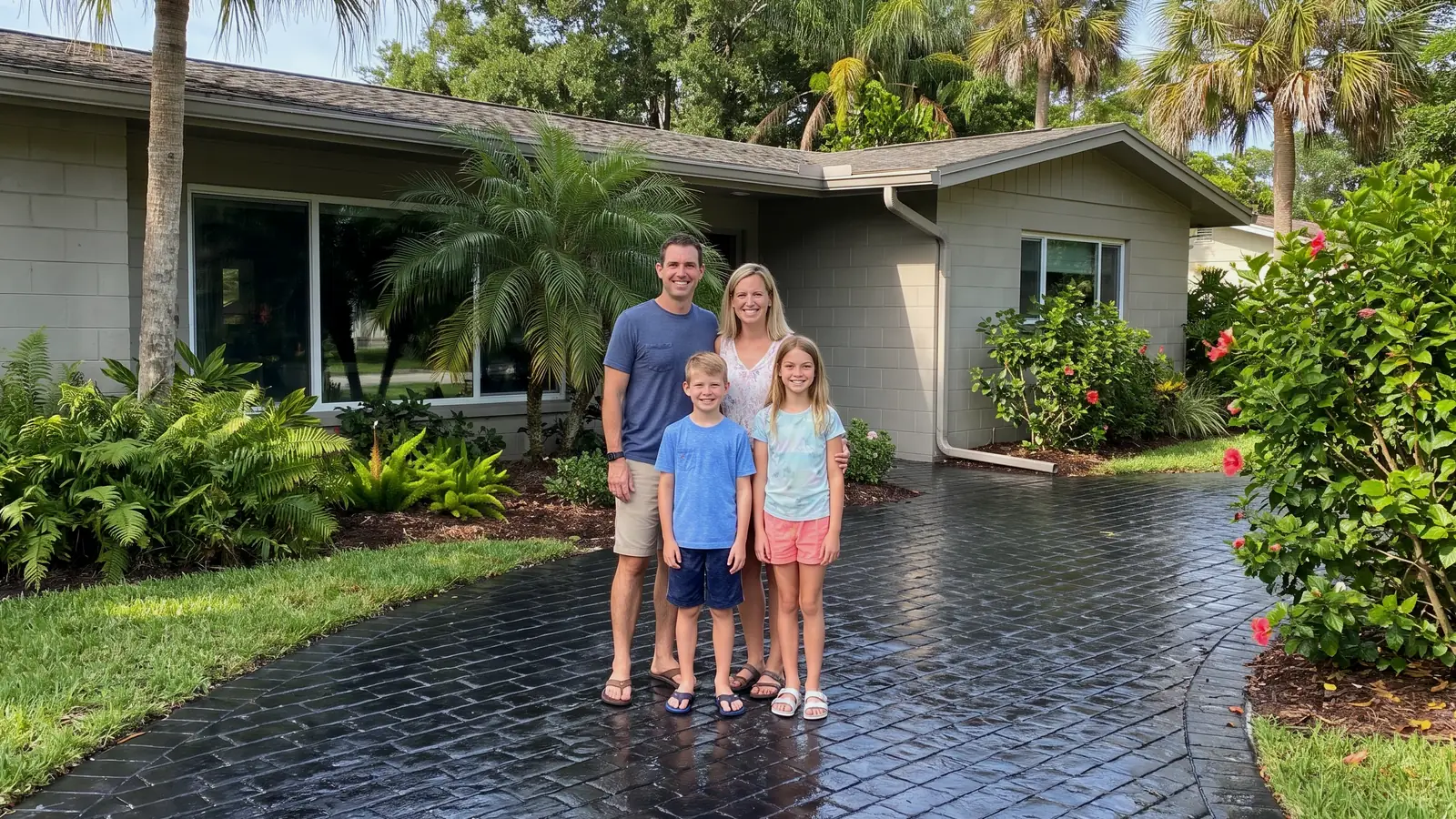
Paver sealing for Hyde Park homes
Paver Sealing in Hyde Park, FL
Pavers under Hyde Park's live oaks, near Swann Avenue, can look new again: call (656) 254-3570 for a free estimate.
- Brings out deeper paver color
- Fresh joint sand helps lock pavers in place
- Gives weeds less room to grow
- Makes the surface easier to keep clean
- Free estimate, no obligation
Request a Free Estimate
Free, no obligation.
Fast, careful paver sealing in Hyde Park
Paver sealing in Hyde Park starts with a free estimate, after which a local contractor washes, re-sands and seals your courtyard, walks and drive. A call to (656) 254-3570 brings a reply inside 1 business day, and usually far sooner. The visit is free, and nothing is booked until you say so.
Picture the brick courtyard behind your bungalow: green along the shaded edge, chalky where the sun lands. A wash, new joint sand and a coat of sealer even out the color and tighten the seams. It is a small job next to a renovation, with a big change in how the yard feels. To describe your space, you can get a free estimate.
Hyde Park is dense: ZIP 33606 has 22,271 residents in about 3.3 square miles. Small lots mean small paved areas, so a careful quote and a clear plan for access matter more than machine size. To start, call (656) 254-3570.
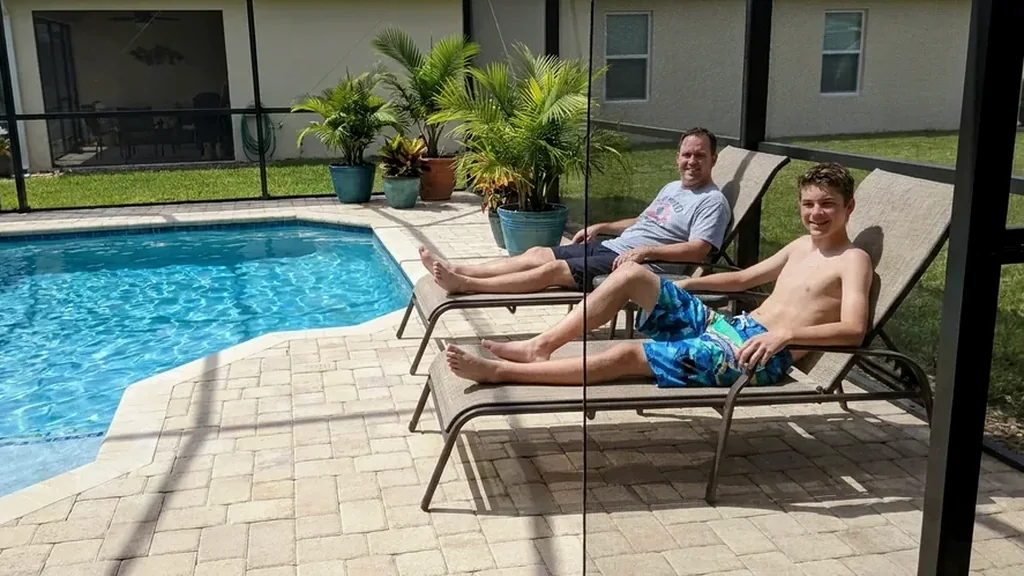
Why hire a local paver sealing contractor in Hyde Park?
Hyde Park homeowners tend to choose a local contractor because the lots are tight, the oaks are big and the district has paving rules. To talk through your own address, call (656) 254-3570.
Walk-through first
A contractor visits, measures the courtyard, side path and drive, and sends a written quote. The visit is free.
A benchmark
Tampa Bay companies publish $1.25 to $2.50 per square foot, covering the wash, the sand and the sealer.
Suited to the house
Matte sits well on a revival-style or bungalow front. A wet look adds shine, though scuffs show sooner.
Ask the district
Hyde Park has paving guidelines. A contractor can help you word a question to the city before work starts.
Get Your Free Estimate in Hyde Park
Tell us about your pavers in Hyde Park.
Free, no obligation
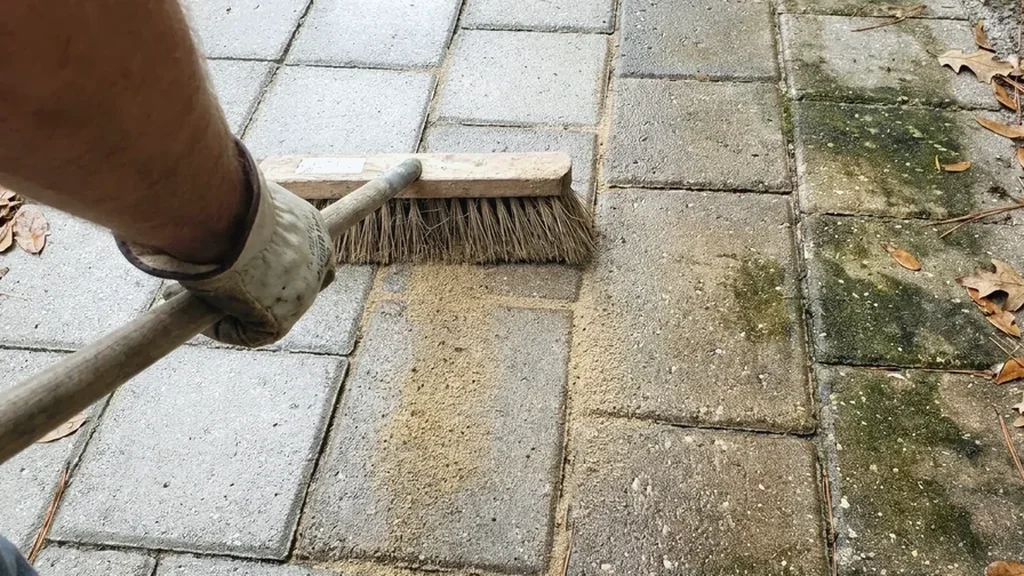
What paver problems show up most in Hyde Park?
Live oak shade over small courtyards
Tampa's design guidelines name the canopy of live oaks as a distinguishing feature of Hyde Park. The neighborhood was laid out on quarter-acre lots, so one tree can shade most of a yard. Pavers under that cover stay damp and grow a green or black film. Sealer would trap it, so the wash comes first and the surface must dry. Leaf stains tend to show up in the same spots. Ask the contractor to check the darkest corner twice. Some Hyde Park owners also notice the green returns sooner on the side of the house that faces north, where sun is scarce. Oak leaves and pollen add to the film, and a contractor will often rinse them off before the main wash begins. Dark corners near a wall or a downspout are the first to show it, so point them out.
Bay humidity that slows drying
Hillsborough Bay is next door to Hyde Park, and summer dew points here can climb to 80 degrees. In that heavy air, shaded pavers stay damp long after rain stops. Because sealer needs a dry surface, the start may slide to a drier morning or a day later. A coat laid over damp pavers can turn cloudy later. The sunnier side of a courtyard usually dries first. If your yard faces the water side of the neighborhood, plan for a slow morning and a longer wait before the coat goes on. Courtyards with a wall on two sides hold humidity longest, so those corners are the last to dry. A courtyard that gets no breeze can hold the damp for most of a day.
Joint sand lost to summer storms
Afternoon thundershowers hit hard in Florida from May through October. On a tight lot, runoff has little room to spread, so it travels along the seams and carries sand with it. Empty joints invite weeds and ants, and loose pavers begin to move. New sand is always packed in after the wash and ahead of the sealer. A courtyard that was swept full once may need a top-up after a stormy summer. Gaps that have widened between pavers also collect leaves, which hold more water against the surface. A quick look at the seams along steps and planters shows where sand leaves first. Summer storms often arrive in a hurry, and a fresh sweep of sand can be lost in one afternoon.
Pavers inside the lot, not at the street
Per the guidelines, brick, hexagonal pavers and quarry tile belong inside the lot. Concrete is what you see from the street. In practice, Hyde Park pavers sit on side paths, in courtyards and behind the house. Those corners get less sun and more moss than a front drive does. Concrete aprons and ribbon drives are the preferred look at the curb. That is why a front walk can look so different from the courtyard out back, even though the pavers are the same kind. Concrete aprons and ribbon drives are what the guidelines prefer at the curb, so most owners treat the courtyard separately. Concrete aprons at the curb are common, while brick tends to hide behind the house.
Old coats and unknown products
Hyde Park homes run from the 1880s onward, and many have had several owners. Nobody may know who sealed the back patio or with what. Water-based sealer does not stick to a solvent-based layer underneath. A small test spot tells the contractor what is down. Then they can choose a product that bonds instead of one that peels or turns milky. A hidden corner by the air conditioner is a good place for the test. A hidden-corner test costs a few minutes, and it prevents a patchy finish across a whole courtyard. If a past owner kept receipts or a can in the garage, hand those over. If an earlier owner laid your pavers, the sealer is likely unknown.
Do Hyde Park historic rules change how pavers get sealed?
They can, so it pays to ask. The Hyde Park Historic Districts were listed on the National Register in 1985 and hold 1,264 buildings. The city's guidelines say a modification, replacement or addition of a driveway or pavement needs a Certificate of Appropriateness. Cleaning an existing surface is different, so get a free estimate and the contractor will help you word the question to the city.
The neighborhood is more than one area. Hyde Park Village sits between Swann and Rome Avenues, SoHo runs along South Howard Avenue, and Bayshore Boulevard marks the water side. A home near Bayshore sees more bay air, while a home near Swann has more oak cover. Name your street when you call (656) 254-3570.
Swann and Rome are wide because a streetcar once ran on them, and most other streets are narrow. Narrow streets mean tight driveways and small side paths. A job there is about care and access as much as square feet. To plan the route and the date, get a free estimate.
Not every Hyde Park home is large. After the boom of the 1920s and the Depression, building followed a trend toward smaller homes. One block can mix big revival houses with modest bungalows, and their yards and pavers differ. To talk about yours, call (656) 254-3570.
What does paver sealing cost in Hyde Park?
The Tampa Bay range that companies publish is $1.25 to $2.50 per square foot, covering the wash, the sand and the sealer. Hyde Park lots are tight and the paved areas are often small. A courtyard and a side path add up to modest square feet, so the measurement is the key number. For a quote based on yours, call (656) 254-3570.
Moss under oaks adds wash time, and old sealer of unknown type adds care. Tight access can mean more hand work than machine work. Ask each bid to list its square feet and its finish, and you can get a free estimate to compare two quotes on the same terms.
| Paved area | Typical example | Clean, sand and seal |
|---|---|---|
| 300 sq ft | Small patio or walkway | $375 to $750 |
| 600 sq ft | Two car driveway | $750 to $1,500 |
| 1,000 sq ft | Large driveway or pool deck | $1,250 to $2,500 |
| 1,500 sq ft | Driveway plus pool deck | $1,875 to $3,750 |
Math based on the $1.25 to $2.50 per square foot that Tampa Bay paver companies publish. Your contractor sets the actual price after seeing the surface. Repairs, leveling and stripping failed sealer are usually extra.
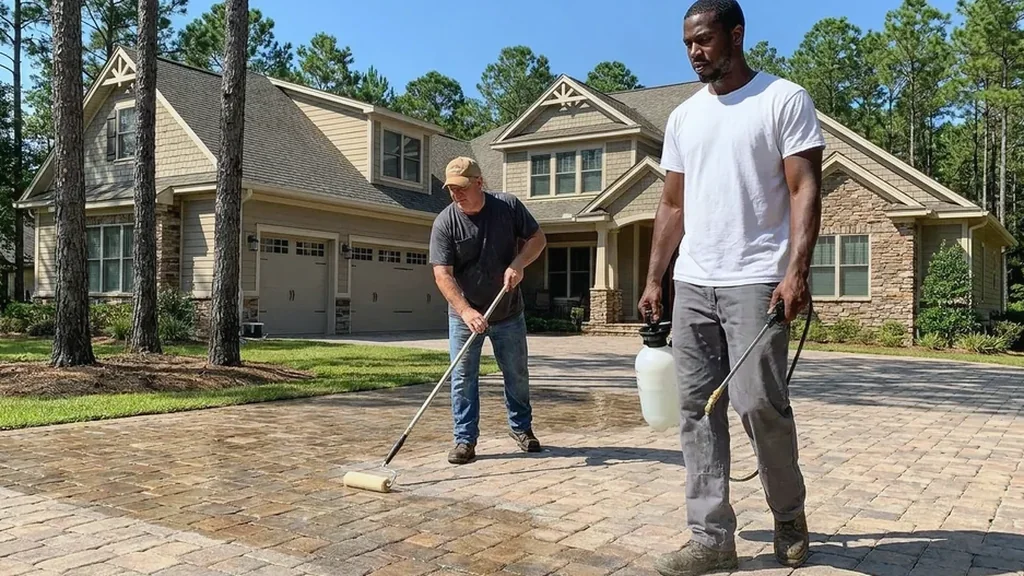
How does a paver sealing job work in Hyde Park?
Tour the yard
The contractor walks the courtyard, side path and drive and measures each. Gates, planters and steps are worth pointing out, since they slow a small job. If other work is planned, say so now so the order makes sense. Ask about parking the work vehicle, since many side streets are narrow.
Lift the film
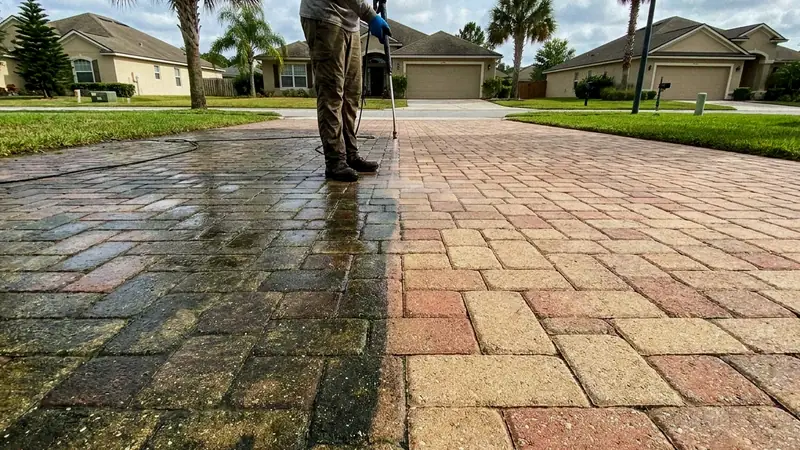
A wash lifts moss, leaf stain and dirt. Under live oaks it shows how much green sits between pavers, and oak leaf stains sometimes need a second pass. It also shows where an old coat has thinned. Fallen oak leaf stains can need a gentle second pass.
Let the bay air clear
After the wash, everything sits until fully dry. Bay humidity and shade stretch that wait, and a light morning breeze helps. Sealing over damp brick can cloud the finish, so the wait is part of the job. On a still, humid day, the wait may run into the next morning.
Top up the joints
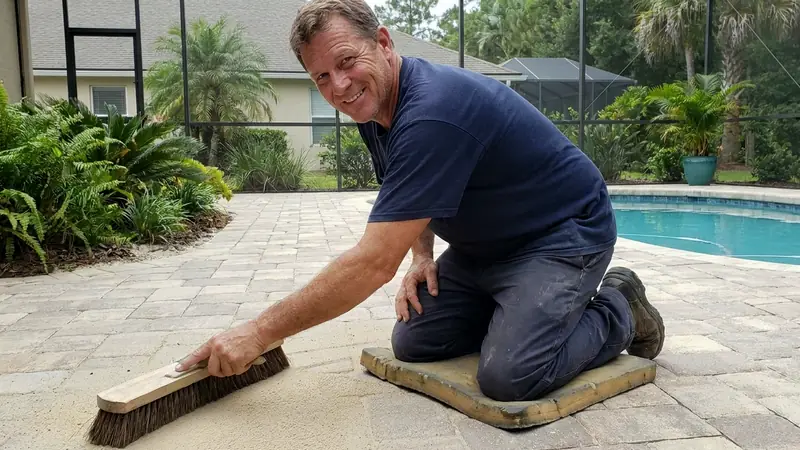
New sand is brushed in until it is flush with the paver edges. In a small courtyard with nowhere for storm water to go, packed joints hold the whole surface together. Brick edges beside planters tend to hold the least sand.
Finish the surface
An even coat goes on in matte or wet look. The contractor tells you how long to keep off. Keep the product name and the date with your house papers, so the next coat is easier. If your yard has a gate, the contractor confirms access with you ahead of time.
Complete paver services in Hyde Park
A courtyard job starts with a wash that clears moss and leaf stain from the brick or tile. Once dry, new sand is brushed into every joint and one even coat of sealer follows. Nothing is torn up, because the pavers you have are cleaned, filled and protected. To see the stages for your yard, get a free estimate.
Hyde Park yards mix materials: brick in the courtyard, hexagonal pavers on a side path, concrete pavers around a pool. Each dries at its own pace and takes a coat a little differently. Call (656) 254-3570 and describe what you have, so the right product arrives with the contractor.
On an older home the finish is part of the look. Matte suits a revival-style or bungalow front and hides wear, while a wet look deepens color though scuffs show sooner. Because water-based sealer will not stick to a solvent-based coat, the contractor first asks what is down. get a free estimate and attach a photo.
Shade, bay air and storms set the schedule in Hyde Park. Dry pavers come first, and rain is common in summer. Pavers under live oaks dry slowly, so the wash and the coat may fall on different days. Call (656) 254-3570 to find a date that works for you.
Questions to ask before you hire
- Do I get a wet look finish or a natural matte one, and how do I choose?
- What is your rain plan: who reschedules, and does the quote change?
- Do you put on one coat or two, and does the second go on while the first is still tacky or after it dries?
- What do you do about weeds and moss that grow up between the joints?
- Will you email me your insurance certificate before the work starts?
- How long should my kids and pets stay off the pavers after the sealer goes on?
- Do you let the pavers dry all the way after the wash before any sealer goes on?
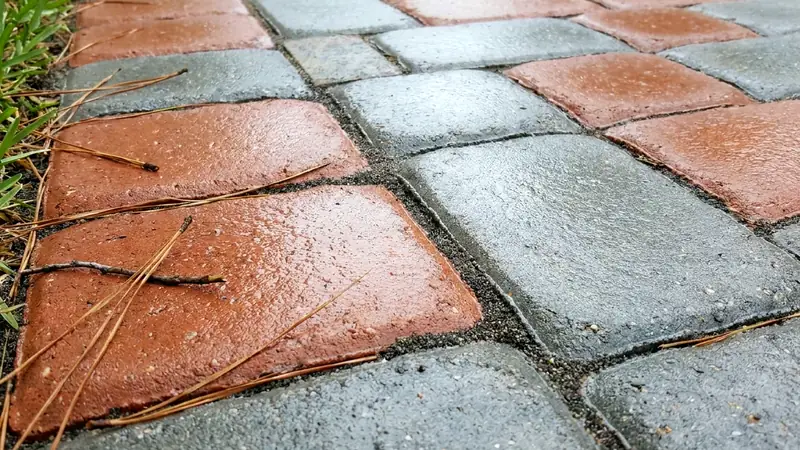
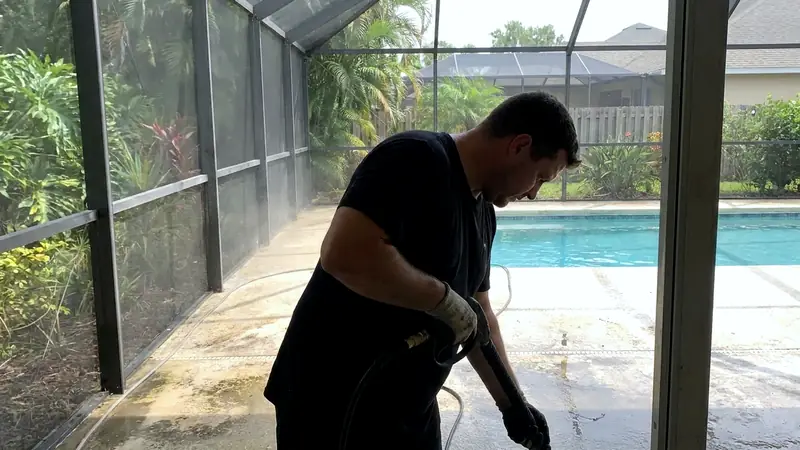
What do sealed pavers look like around Hyde Park?
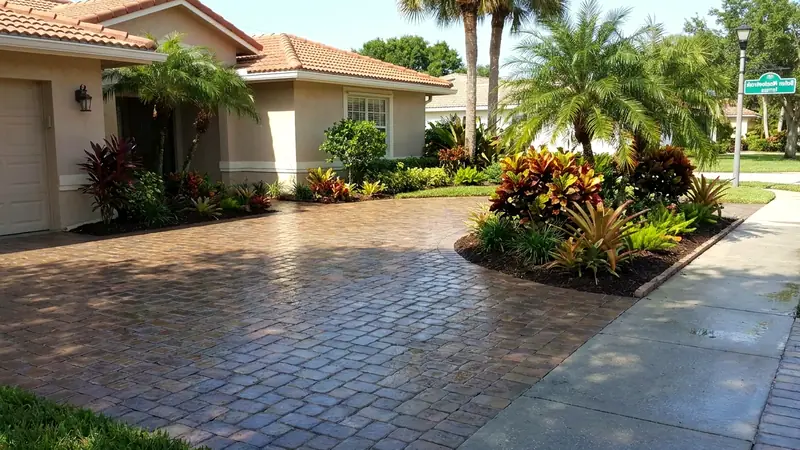
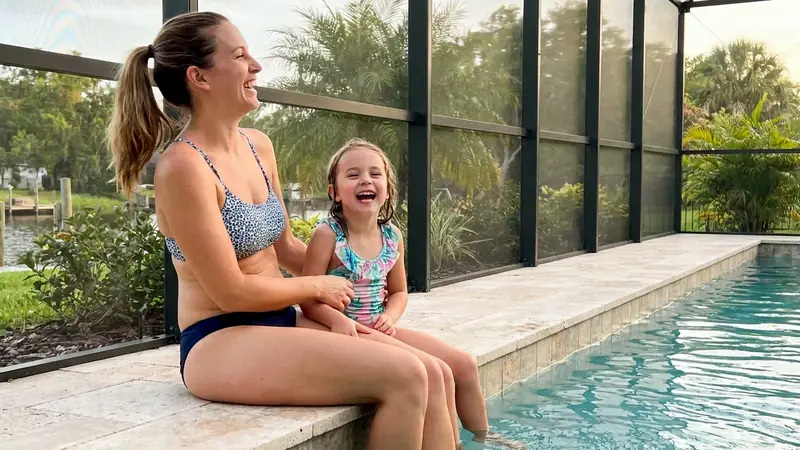
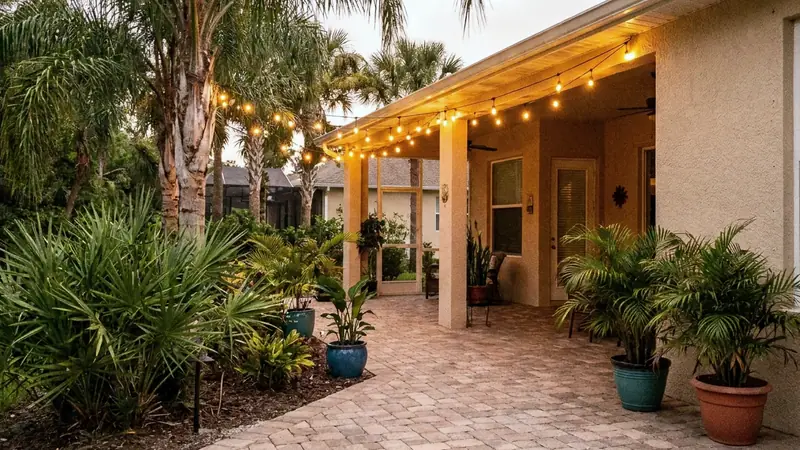
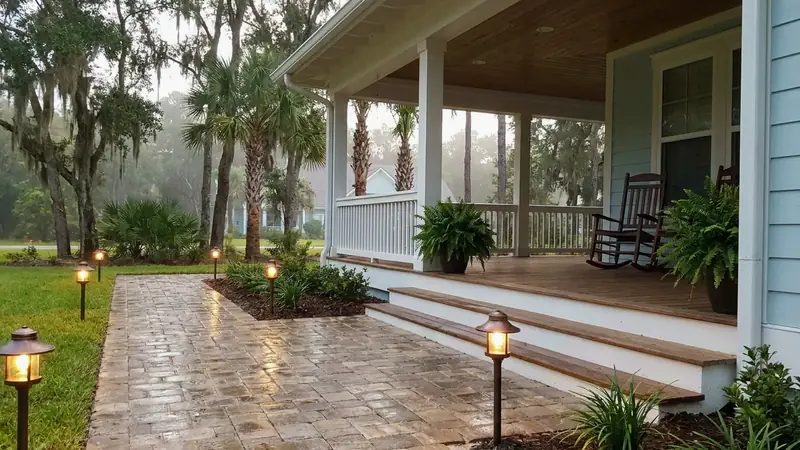
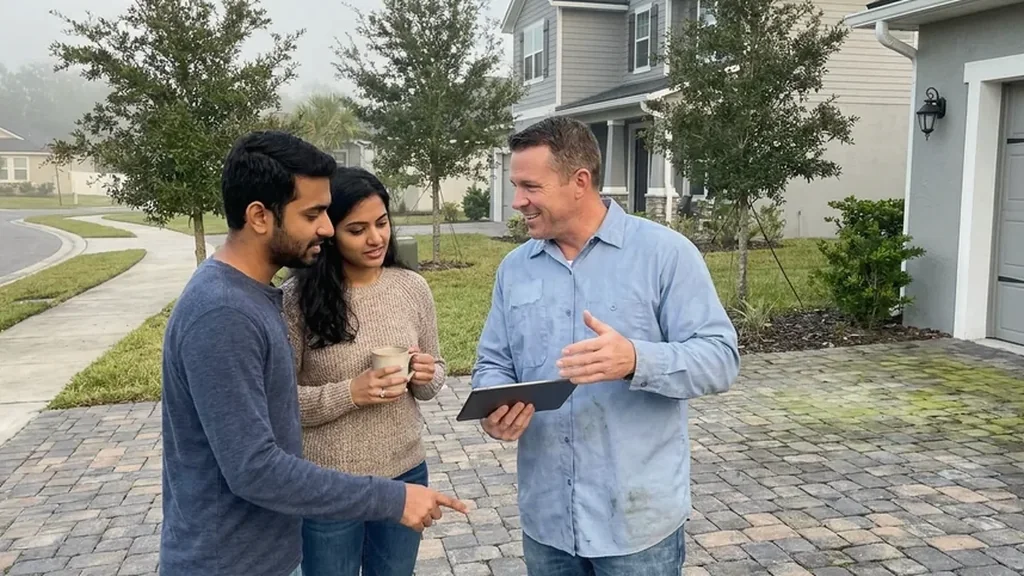
Why local matters in Hyde Park
A contractor who works around Tampa knows how a shaded courtyard behaves in a wet summer. Moss under oaks and sand running off tight lots are familiar sights. You do not have to justify waiting for a dry day. To ask about open dates, call (656) 254-3570.
Local also means knowing Hyde Park has design rules. The city's guidelines cover driveways, walkways and paving seen from the street. A contractor who has met them can tell you which work is simple and which should go through the city first. To describe your project, get a free estimate.
Streets matter too. Swann, Rome and Howard are busy, and the side streets are narrow with tight parking. A contractor who plans access ahead keeps the job smooth for you and your neighbors. Call (656) 254-3570 and the reply arrives within a business day, often sooner.
What is Hyde Park like beyond Bayshore Boulevard?
Hyde Park began in the 1880s when Henry Plant built a bridge over the Hillsborough River at Lafayette Street, now Kennedy Boulevard. The first house went up in 1882 on Morrison Avenue. Today the neighborhood sits beside the University of Tampa and downtown. Call (656) 254-3570 if your home is an old one.
Bayshore Boulevard runs along the water, and its sidewalk is 4.5 miles long and 10 feet wide. Hyde Park Village and SoHo hold the shops and restaurants inland. Between them are the quiet streets of bungalows and revival homes. Many of those yards have pavers that you can get a free estimate to have checked.
A streetcar ran on Swann and Rome by 1892 and on Bayshore by 1909. Hyde Park Avenue was laid out 80 feet wide as the main artery for quarter-acre lots. Between 1913 and 1928 the area flourished, so many homes date from then. To get your pavers looked at, get a free estimate.
Frequently Asked Questions
What to seal concrete pavers with?
Contractors pick water-based or solvent-based sealer, then matte or wet look. Water-based sealer does not stick to a solvent-based layer underneath, so the contractor first learns what is on your Hyde Park pavers. Ask what is planned and why it suits your sun, shade and traffic. Keep the product name. Ask for the product name in writing.
Which is better for a Hyde Park courtyard, spraying or rolling paver sealer?
Both are in use, and the surface and product steer the choice. In a Hyde Park courtyard, ask how the contractor keeps the coat even around planters and steps. The aim is full coverage, with nothing pooling in the seams. Ask how the contractor treats edges and corners.
What are the downsides of sealing pavers?
Sealer wears down and needs a fresh coat, commonly after two to five years. Scuffs appear earlier on a wet look than on matte. Dry pavers come first, which can push a Hyde Park job back after rain or under thick oak cover. And since washing removes joint sand, new sand has to go in. Many owners accept that trade for the color and cleaner seams.
How long can a wet look sealer last on Hyde Park pavers?
Plan on two to five years, going by what companies commonly quote. Scuffs appear earlier on a wet look, so a busy driveway may look worn sooner. A shaded Hyde Park courtyard can hold its look longer. Once the pavers are washed, the contractor can judge how much life is left. A busy side path may wear sooner than a quiet courtyard.
How much does it cost to seal pavers in Hyde Park?
The Tampa Bay range that companies publish is $1.25 to $2.50 per square foot, covering the wash, the sand and the sealer. A Hyde Park quote should list the square feet it measured, so two bids for the same courtyard compare cleanly. Ask whether steps, edges and a side path are counted. Ask for the figure by area, so the courtyard and side path are priced separately. Ask whether steps, edges and a side path are counted separately.
Do I need city approval to seal pavers in Hyde Park?
It depends on the work. The guidelines say a modification, replacement or addition of a driveway or pavement needs a Certificate of Appropriateness. Cleaning and sealing an existing surface is different, but the city's historic preservation staff can confirm for your address. A written description of the work helps. It is wise to keep that written description with your house papers.
Will rain delay my Hyde Park sealing day?
The date moves. Dry pavers come first, and rain is common from May through October. Shaded courtyards also dry slowly in humid bay air, so the wash and the coat may land on different days. You are told the new date ahead of time. In the humid months, expect a day of margin, and the contractor will say so up front. Shaded courtyards may need an extra morning. In humid months, expect a day of margin.
Can brick pavers in a Hyde Park courtyard be sealed?
Yes. Clean, dry brick or concrete accepts sealer without trouble. A wash comes first, then sand in the joints, then the finish you pick. Matte keeps the finish quiet beside an older house. If any paver is loose or sunken, mention it at the first visit. A small test patch lets you see the sheen before the full job. A small test patch lets you see the sheen before the full job.
Ready for a Free Estimate in Hyde Park?
Call (656) 254-3570 and tell us about your pavers.
Free, no obligation